
I'll Teach You Visual Design in 3 minutes
I'll Teach You Visual Design in 3 minutes
I'll Teach You Visual Design in 3 minutes
Date
11 Aug 2021
Read Time
10
min read
Category
Design
Let us begin. (Time is ticking)
First, the Fundamentals
Everything around us is a unique form of design on its own; we only get to tag it “visual” because it is something we can see. The Fundamentals of these visual designs have lived with us all through our lives, we only get to understand them as we grow older. We are made to believe that these visuals are components of some elements including line, shape, form, texture, and balance.
It is worthy of note that with balance out of the picture, there will be chaos amongst the elements as they won’t be in harmony together. By removing texture, what we will have are 3D-like objects everywhere, without distinction in feel. Also, with no forms in the mix, what we have are 2D shapes. Without the shapes, we will probably have a bunch of never-ending lines. And without lines, nothing is, and nothing was. So, they are all inseparable.
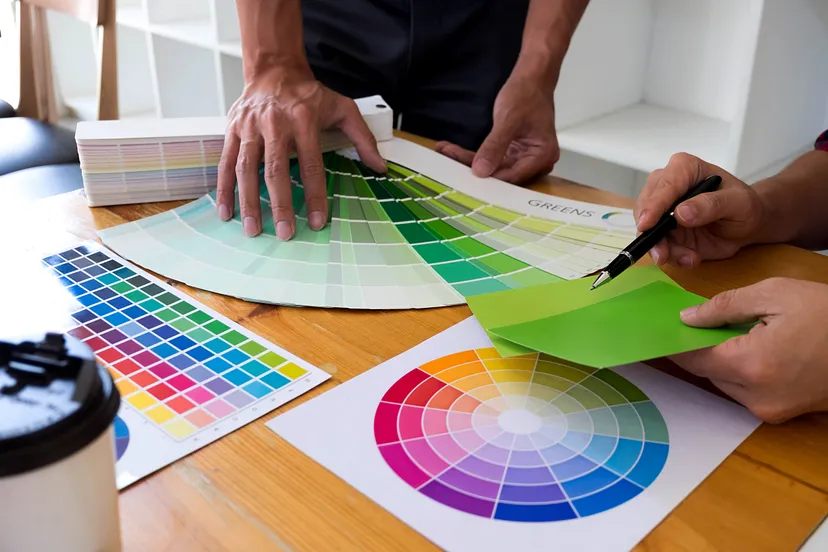
Moving to colour
Imagine the world not knowing what colour is. I really cannot say what it will look like, but I know a visually impaired person who will still have the luxury of experiencing what the black colour looks like. Even a 3-year-old can recognize the two ends of colour: black and white. And that is one part of visual design that makes everything appealing.
Every colour sends a message. Visual designers, then, must make careful considerations about the colour palettes that best fit a visual design project.
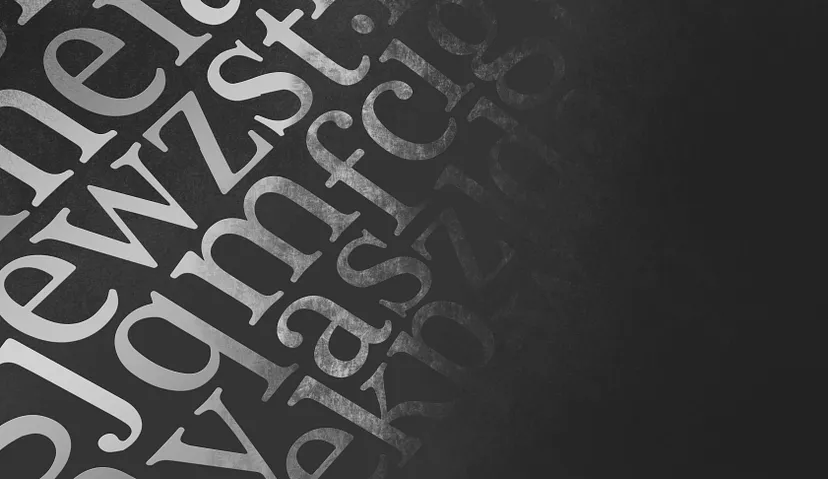
Jumping in on type
By type, I mean typography, the style or appearance of text. We only got introduced to them through writing classes when we were being taught to trace the English alphabet in nursery school. We got better gradually, but we never knew our handwriting were a unique typographical set of its own.
There are thousands of type options that have been created and are available for visual design purposes. Some are playful, others are serious, and so on. They convey moods and feelings and are to be carefully considered before being chosen to look appropriate for a project.
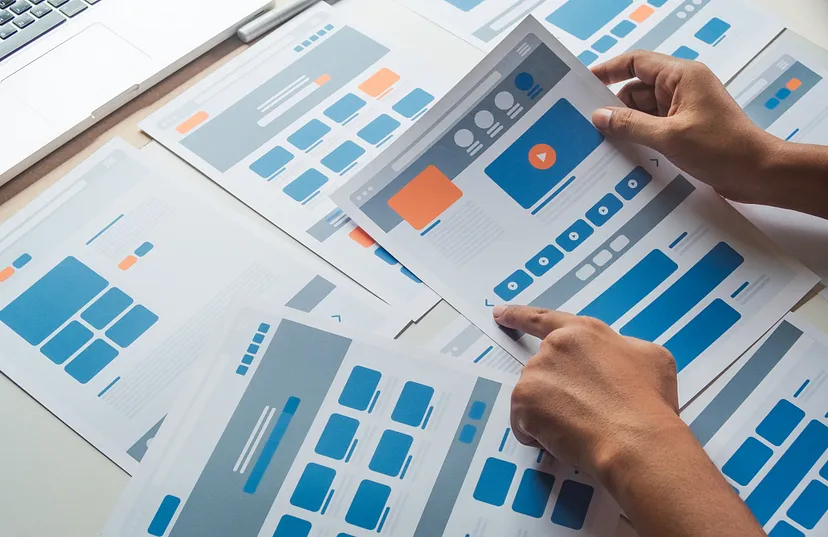
Have you heard of layout or composition?
A house without a foundation pretty much sounds like a design without layout and composition. This is the bedrock of visual design. This is a fundamental building block and, to a large extent, determines the harmony and balance of the visual design. The key to mastering this is to adhere strictly to design principles, which we will talk about another day.
And what about images?
There are designs, and there are DESIGNS, the images make the difference. We are easily drawn to them when we see them. They tell stories on their own. They set the tone for your project but leave room for interpretation.

Let me not bore you with too much
Think of the fashion outfits you purchase the most, the collections in your wardrobe, the gadgets you own, et cetera. It is your gut feeling about them that made you purchase them in the first place. Now that feeling or perception of those products is branding. Guess what? The producers of those products did a hell of a perfect job on the visual design of that product, which made you want to buy more. What they did is what can be referred to as brand identity.
They go together. Your perception of the brand influences the producer’s identity decisions. So, if you are a producer, you might want to put some work into the visual design of your product. That is just a one-way visual design that can affect sales and profit margins and, ultimately, economies.
Branding and identity do not have to do with business alone. It could be something invaluable, like updating your resume with a visual design touch that sells you immediately to the employer. Many times, however, it is composed of a logo, text, color, and images.
Get a good brand identity designer, like me. We save you the trouble of visual design principles and elements and come up with the one that is most appealing and serves you best. (You can tweet that)

Let’s take this conversation further
Do you want more than this three-minute session? Shoot me an email at jummahmujeeb@gmail.com or say hi in the comment section, and let’s take the conversation further.
Let us begin. (Time is ticking)
First, the Fundamentals
Everything around us is a unique form of design on its own; we only get to tag it “visual” because it is something we can see. The Fundamentals of these visual designs have lived with us all through our lives, we only get to understand them as we grow older. We are made to believe that these visuals are components of some elements including line, shape, form, texture, and balance.
It is worthy of note that with balance out of the picture, there will be chaos amongst the elements as they won’t be in harmony together. By removing texture, what we will have are 3D-like objects everywhere, without distinction in feel. Also, with no forms in the mix, what we have are 2D shapes. Without the shapes, we will probably have a bunch of never-ending lines. And without lines, nothing is, and nothing was. So, they are all inseparable.
Moving to colour
Imagine the world not knowing what colour is. I really cannot say what it will look like, but I know a visually impaired person who will still have the luxury of experiencing what the black colour looks like. Even a 3-year-old can recognize the two ends of colour: black and white. And that is one part of visual design that makes everything appealing.
Every colour sends a message. Visual designers, then, must make careful considerations about the colour palettes that best fit a visual design project.
Jumping in on type
By type, I mean typography, the style or appearance of text. We only got introduced to them through writing classes when we were being taught to trace the English alphabet in nursery school. We got better gradually, but we never knew our handwriting were a unique typographical set of its own.
There are thousands of type options that have been created and are available for visual design purposes. Some are playful, others are serious, and so on. They convey moods and feelings and are to be carefully considered before being chosen to look appropriate for a project.
Have you heard of layout or composition?
A house without a foundation pretty much sounds like a design without layout and composition. This is the bedrock of visual design. This is a fundamental building block and, to a large extent, determines the harmony and balance of the visual design. The key to mastering this is to adhere strictly to design principles, which we will talk about another day.
And what about images?
There are designs, and there are DESIGNS, the images make the difference. We are easily drawn to them when we see them. They tell stories on their own. They set the tone for your project but leave room for interpretation.
Let me not bore you with too much
Think of the fashion outfits you purchase the most, the collections in your wardrobe, the gadgets you own, et cetera. It is your gut feeling about them that made you purchase them in the first place. Now that feeling or perception of those products is branding. Guess what? The producers of those products did a hell of a perfect job on the visual design of that product, which made you want to buy more. What they did is what can be referred to as brand identity.
They go together. Your perception of the brand influences the producer’s identity decisions. So, if you are a producer, you might want to put some work into the visual design of your product. That is just a one-way visual design that can affect sales and profit margins and, ultimately, economies.
Branding and identity do not have to do with business alone. It could be something invaluable, like updating your resume with a visual design touch that sells you immediately to the employer. Many times, however, it is composed of a logo, text, color, and images.
Get a good brand identity designer, like me. We save you the trouble of visual design principles and elements and come up with the one that is most appealing and serves you best. (You can tweet that)
Let’s take this conversation further
Do you want more than this three-minute session? Shoot me an email at jummahmujeeb@gmail.com or say hi in the comment section, and let’s take the conversation further.
Let us begin. (Time is ticking)
First, the Fundamentals
Everything around us is a unique form of design on its own; we only get to tag it “visual” because it is something we can see. The Fundamentals of these visual designs have lived with us all through our lives, we only get to understand them as we grow older. We are made to believe that these visuals are components of some elements including line, shape, form, texture, and balance.
It is worthy of note that with balance out of the picture, there will be chaos amongst the elements as they won’t be in harmony together. By removing texture, what we will have are 3D-like objects everywhere, without distinction in feel. Also, with no forms in the mix, what we have are 2D shapes. Without the shapes, we will probably have a bunch of never-ending lines. And without lines, nothing is, and nothing was. So, they are all inseparable.
Moving to colour
Imagine the world not knowing what colour is. I really cannot say what it will look like, but I know a visually impaired person who will still have the luxury of experiencing what the black colour looks like. Even a 3-year-old can recognize the two ends of colour: black and white. And that is one part of visual design that makes everything appealing.
Every colour sends a message. Visual designers, then, must make careful considerations about the colour palettes that best fit a visual design project.
Jumping in on type
By type, I mean typography, the style or appearance of text. We only got introduced to them through writing classes when we were being taught to trace the English alphabet in nursery school. We got better gradually, but we never knew our handwriting were a unique typographical set of its own.
There are thousands of type options that have been created and are available for visual design purposes. Some are playful, others are serious, and so on. They convey moods and feelings and are to be carefully considered before being chosen to look appropriate for a project.
Have you heard of layout or composition?
A house without a foundation pretty much sounds like a design without layout and composition. This is the bedrock of visual design. This is a fundamental building block and, to a large extent, determines the harmony and balance of the visual design. The key to mastering this is to adhere strictly to design principles, which we will talk about another day.
And what about images?
There are designs, and there are DESIGNS, the images make the difference. We are easily drawn to them when we see them. They tell stories on their own. They set the tone for your project but leave room for interpretation.
Let me not bore you with too much
Think of the fashion outfits you purchase the most, the collections in your wardrobe, the gadgets you own, et cetera. It is your gut feeling about them that made you purchase them in the first place. Now that feeling or perception of those products is branding. Guess what? The producers of those products did a hell of a perfect job on the visual design of that product, which made you want to buy more. What they did is what can be referred to as brand identity.
They go together. Your perception of the brand influences the producer’s identity decisions. So, if you are a producer, you might want to put some work into the visual design of your product. That is just a one-way visual design that can affect sales and profit margins and, ultimately, economies.
Branding and identity do not have to do with business alone. It could be something invaluable, like updating your resume with a visual design touch that sells you immediately to the employer. Many times, however, it is composed of a logo, text, color, and images.
Get a good brand identity designer, like me. We save you the trouble of visual design principles and elements and come up with the one that is most appealing and serves you best. (You can tweet that)
Let’s take this conversation further
Do you want more than this three-minute session? Shoot me an email at jummahmujeeb@gmail.com or say hi in the comment section, and let’s take the conversation further.
RELATED ARTICLES
RELATED ARTICLES
Loading…
Loading…